Dog Beach Etiquette: Rules Every Owner Should Know
Good etiquette keeps beaches open for dogs and their people. These simple, respectful behaviors protect wildlife, other beachgoers, and your dog — and they make beach days more fun for everyone.
Why etiquette matters
Beaches are shared spaces. Poor behavior — failing to pick up waste, letting dogs run uncontrolled, or ignoring signs — causes conflicts that can lead to stricter rules or loss of dog access. Practicing good beach manners helps preserve access, protects wildlife, and creates a safer environment for all.
Short version: Be aware, be kind, and be responsible — your actions matter more than you think.
Core rules every owner should follow
1. Know and follow local leash laws
Leash requirements vary by county, beach, and even time of day. Always check posted rules before you let your dog off-leash. If a beach allows off-leash play, respect boundaries and use a short leash when walking through crowded areas.
2. Pick up after your dog — every time
Bring extra poop bags and dispose of them in proper trash containers. Dog waste carries bacteria and nutrients that harm water quality and wildlife. Carry a spare bag or two — it’s the easiest way to be a courteous beachgoer.
3. Respect wildlife and nesting areas
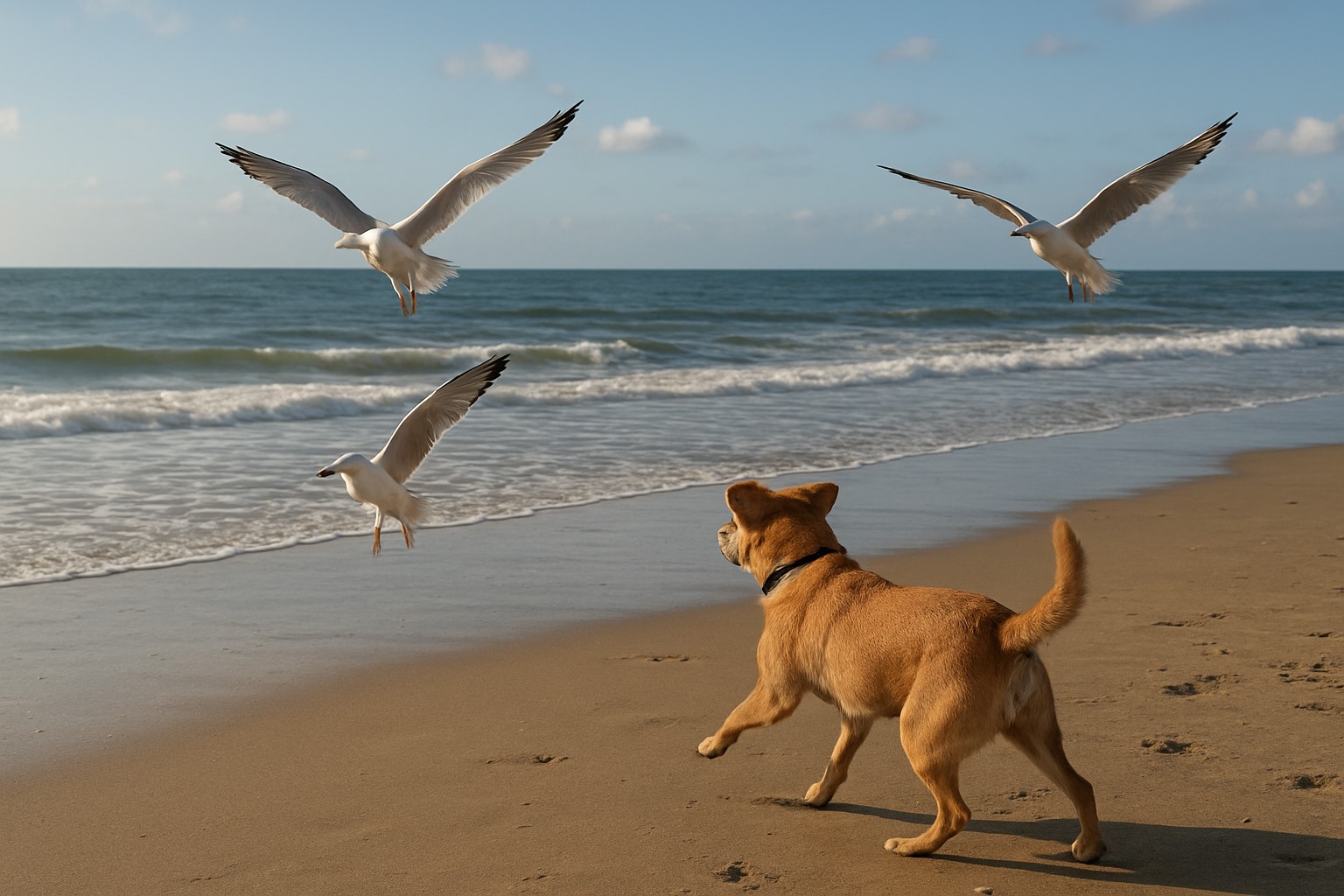
Avoid roped-off zones, keep distance from birds and turtle nests, and don’t allow your dog to chase or harass wildlife. If you see temporary closures, assume they’re protecting something important and stay clear.
4. Keep control of your dog
Even friendly dogs can get startled or overexcited. Train reliable recall and be ready to leash up if required. Carry a harness with a handle for quick control when needed.
Socializing and dog-to-dog etiquette
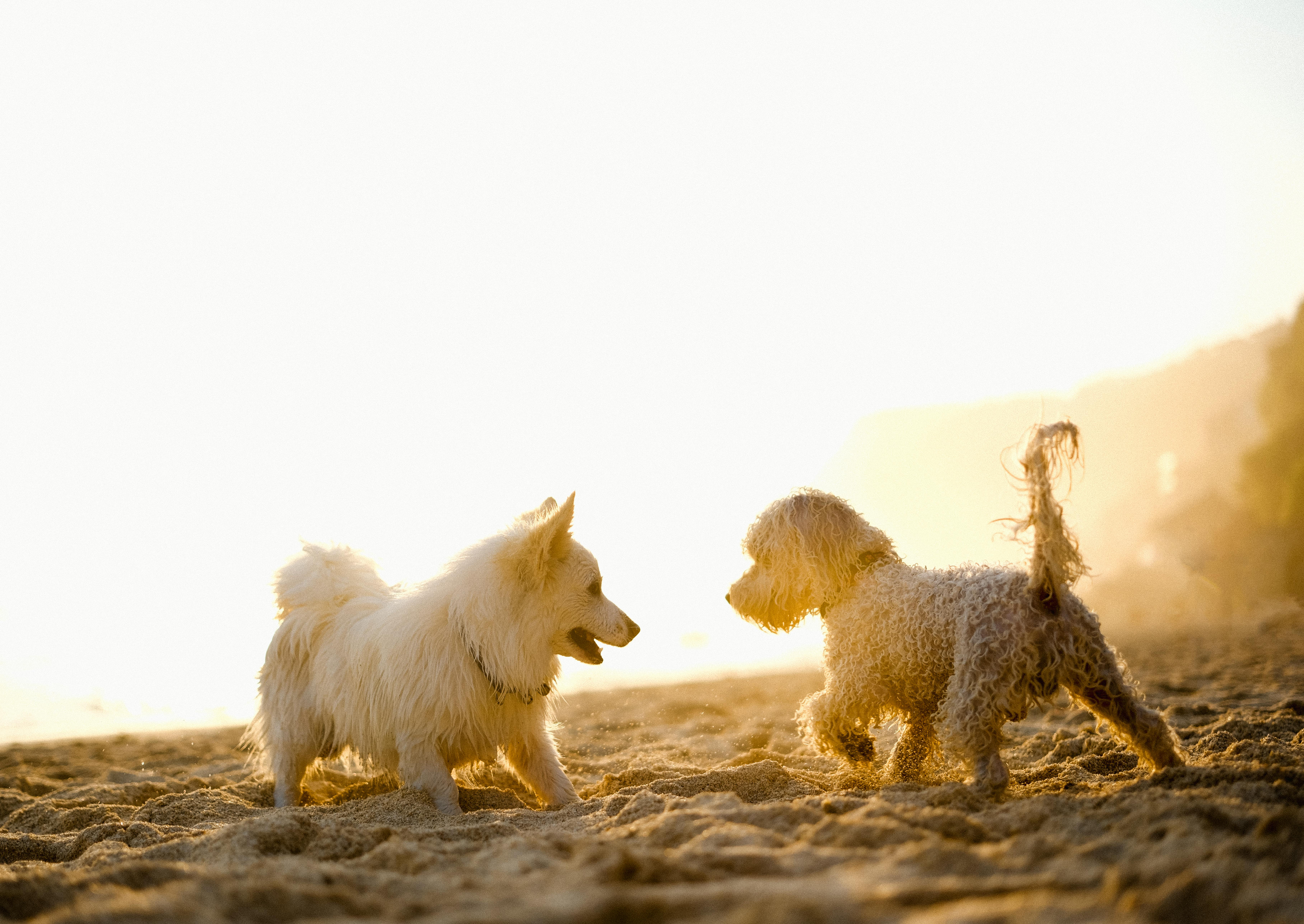
Not every dog enjoys nosy greetings. Follow these dog-to-dog rules to avoid scuffles and stress:
- Ask before letting your dog approach another dog — not everyone wants their dog to be petted.
- Watch body language: stiff stance, raised hackles, pinned ears, or a hard stare are signs to keep distance.
- Interrupt rough play early and redirect with toys or a calm call.
- Keep toys close; some dogs guard toys aggressively in group play zones.
Safety and comfort — for your dog and others
Be mindful of heat, tides, and hazards. A responsible owner keeps both dog and people safe:
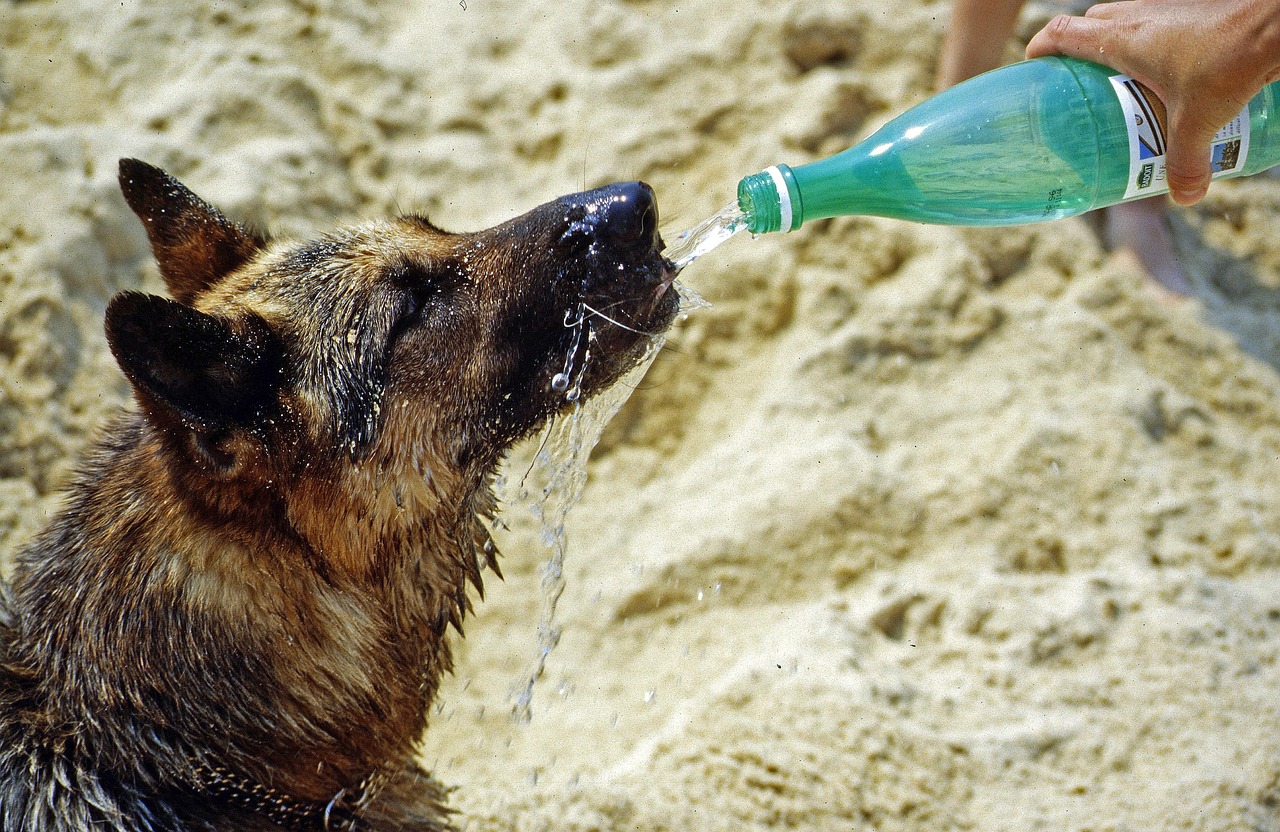
- Bring shade, fresh water, and a bowl — never rely on ocean water for drinking.
- Check the sand temperature before walking — hot sand burns paws (test with your hand).
- Watch for jellyfish, broken glass, or sharp shells; keep a first-aid kit handy.
- If your dog shows stress signs (tail tucked, panting heavily, shaking), find a quiet spot or head home early.
Respect other beachgoers
Many people enjoy the beach for reasons other than dog play. Be ready to make small accommodations:
- Give space to families with small children — they may be nervous around dogs.
- Keep your dog away from picnic areas and people eating.
- Lower your dog’s volume — excessive barking can create tension with neighbors and hosts.
- Offer to move or leash up if someone expresses concern — polite responses defuse conflicts quickly.

Leashes, collars, and gear: what works best
Good gear makes good behavior easier:
- 6-foot flat leash for walks — predictable and safe in crowds.
- Harness with handle for quick control and lifts.
- Bright collar or life vest for visibility when swimming or at dusk.
- A short line when near dunes, nesting areas, or other beachgoers.
If something goes wrong: common conflicts and quick fixes
Conflicts happen — here’s how to handle common situations calmly:
- Dog-to-dog scuffle: Do not grab collars aggressively. Distract with a loud noise, water, or by stepping between dogs with a long object (e.g., towel). If necessary, calmly leash each dog and move apart.
- Someone complains: Listen, apologize, and take action (leash your dog or move). A calm response prevents escalation and shows you’re a responsible owner.
- Lost dog: Carry ID tags and a picture of your dog. Call local beach patrol or lifeguards — they often assist with lost pets.
Community-minded behaviors that make a difference
Volunteer
Join local beach cleanups or turtle patrols to give back and learn seasonal rules.
Educate
Politely share etiquette tips with new dog owners — most people are glad to learn.
Report
Report hazards (sharp debris, unmarked nests, or wildlife in distress) to local authorities.
FAQs
Q: My dog loves to chase birds — what should I do?
A: Practice recall training in quieter areas first. Use high-value treats and short training sessions. On the beach, keep your dog on a leash near bird activity and distract with a toy or recall command if they spot birds.
Q: Is it OK to bring toys to the beach?
A: Yes — but choose toys that are easy to see and retrieve (bright, floating toys). Keep toys contained when not in use to avoid fights and littering.
Q: Someone’s child approached my dog and got scratched — who pays for care?
A: Responsibility varies by local law and circumstance. Always exchange contact information, be honest, and offer assistance. Having renter’s insurance or travel insurance can help with liability in worst-case scenarios.
Good beach etiquette is mostly common sense — be aware, considerate, and prepared. When every owner follows a few simple rules, Florida’s dog beaches remain safe, welcoming, and open for the long term.